
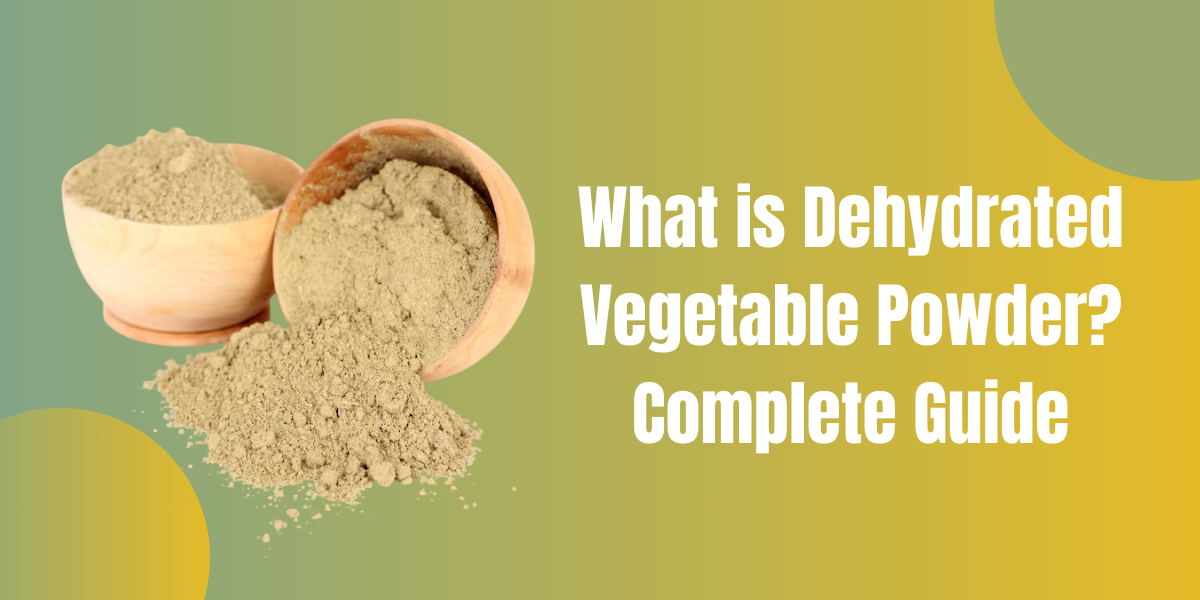
Dehydrated vegetable powder is a finely ground product made from fresh vegetables that have had their moisture removed through a controlled drying process. By eliminating water content while preserving nutrients, flavor, and color, these powders offer a convenient, long-lasting, and versatile alternative to fresh vegetables.
In today’s fast-moving food industry, dehydrated vegetable powders are widely used in packaged foods, health supplements, spice blends, ready-to-eat meals, and even cosmetic applications. Let’s explore everything you need to know in this complete guide.
What is Dehydrated Vegetable Powder?
Dehydrated vegetable powder is created by drying fresh vegetables at low temperatures and then grinding them into a fine powder. The dehydration process significantly reduces moisture content, which prevents spoilage and increases shelf life without the need for artificial preservatives.
Common vegetables used to make powders include:
- Onion
- Garlic
- Tomato
- Spinach
- Beetroot
- Carrot
- Cabbage
- Moringa
The final product is lightweight, easy to store, and simple to use in multiple applications.
How is Dehydrated Vegetable Powder Made?
The manufacturing process involves several important steps:
1. Selection of Fresh Vegetables
High-quality, fresh vegetables are selected to ensure maximum nutritional value and taste.
2. Cleaning and Sorting
Vegetables are washed thoroughly to remove dirt, pesticides, and impurities.
3. Cutting and Preparation
They are peeled and cut into small pieces to ensure even drying.
4. Dehydration Process
Moisture is removed using hot air drying, spray drying, or freeze drying. The goal is to retain nutrients, color, and flavor.
5. Grinding and Sieving
Once dried, the vegetables are ground into fine powder and sieved for uniform texture.
6. Packaging
The powder is packed in moisture-proof packaging to maintain freshness and extend shelf life.
Benefits of Dehydrated Vegetable Powder
1. Long Shelf Life
With minimal moisture content, these powders can last 6–24 months when stored properly.
2. Nutrient Retention
Modern dehydration techniques preserve most vitamins, minerals, and antioxidants.
3. Convenience
No washing, peeling, or chopping required. Just mix and use.
4. Space-Saving
Powders take up much less storage space compared to fresh vegetables.
5. Cost-Effective
Reduces wastage and transportation costs.
6. Year-Round Availability
Seasonal vegetables can be used anytime in powdered form.
Uses of Dehydrated Vegetable Powder
Dehydrated vegetable powders are extremely versatile:
Food Industry
- Instant soups
- Noodles and pasta
- Sauces and gravies
- Snack seasonings
- Ready-to-eat meals
Health & Nutrition
- Smoothies
- Protein shakes
- Health supplements
- Detox drinks
Bakery Products
- Bread
- Crackers
- Savory biscuits
Cosmetic Industry
Some vegetable powders like beetroot and carrot are used in natural skincare products.
Storage Guidelines
To maintain quality:
- Store in a cool, dry place
- Keep away from direct sunlight
- Use airtight containers
- Avoid moisture exposure
Proper storage ensures color, aroma, and nutrients remain intact.
Are Dehydrated Vegetable Powders Healthy?
Yes, when processed correctly without additives, dehydrated vegetable powders are a healthy alternative to fresh vegetables. While some heat-sensitive nutrients may reduce slightly during drying, most essential vitamins and minerals remain preserved.
They are especially useful for:
- Busy households
- Food manufacturers
- Export businesses
- Health-conscious consumers
Conclusion
Dehydrated vegetable powder is a smart, practical, and efficient solution for modern food needs. It combines the nutrition of fresh vegetables with extended shelf life and convenience. From food manufacturing to daily cooking, these powders offer flexibility, consistency, and cost savings.
As demand for natural, preservative-free products continues to grow, dehydrated vegetable powders are becoming an essential ingredient across industries. Whether for commercial use or home kitchens, they provide a reliable way to enjoy vegetable nutrition anytime, anywhere.
Frequently Asked Questions (FAQs)
1. How long does dehydrated vegetable powder last?
When stored in airtight, moisture-free packaging, dehydrated vegetable powder typically lasts between 6 months to 2 years.
2. Does dehydrated vegetable powder lose nutrients?
Some heat-sensitive vitamins may slightly reduce during drying, but most minerals, fiber, and antioxidants remain intact.
3. Can I use vegetable powder instead of fresh vegetables?
Yes, it can replace fresh vegetables in soups, sauces, smoothies, and seasonings. However, it may not provide the same texture as fresh produce.
4. Is dehydrated vegetable powder safe for daily consumption?
Yes, if it is 100% natural and free from additives or preservatives, it is safe for regular use.
5. How should I store vegetable powder after opening?
Keep it in an airtight container in a cool, dry place away from sunlight and moisture.
6. Is dehydrated vegetable powder suitable for export?
Yes, due to its long shelf life, lightweight nature, and ease of transport, it is highly suitable for domestic and international markets.